

Chicken Plus occupies a distinct spot in casual gaming https://chickenplus.eu/. It blends uncomplicated mechanics with progression loops that maintain engagement. This review examines beyond its surface as a basic distraction. We treat it as a structured digital product, dissecting its core gameplay, how it makes money, and the tricks it uses to drive retention. Our goal is to identify what makes the game so easy to pick up and engaging, especially for UK players who know their way around free mobile games. Let’s get into the psychological triggers, the risk-and-reward balance, and the technical work that supports the whole Chicken Plus world together.
Main Gameplay Mechanics and Interface
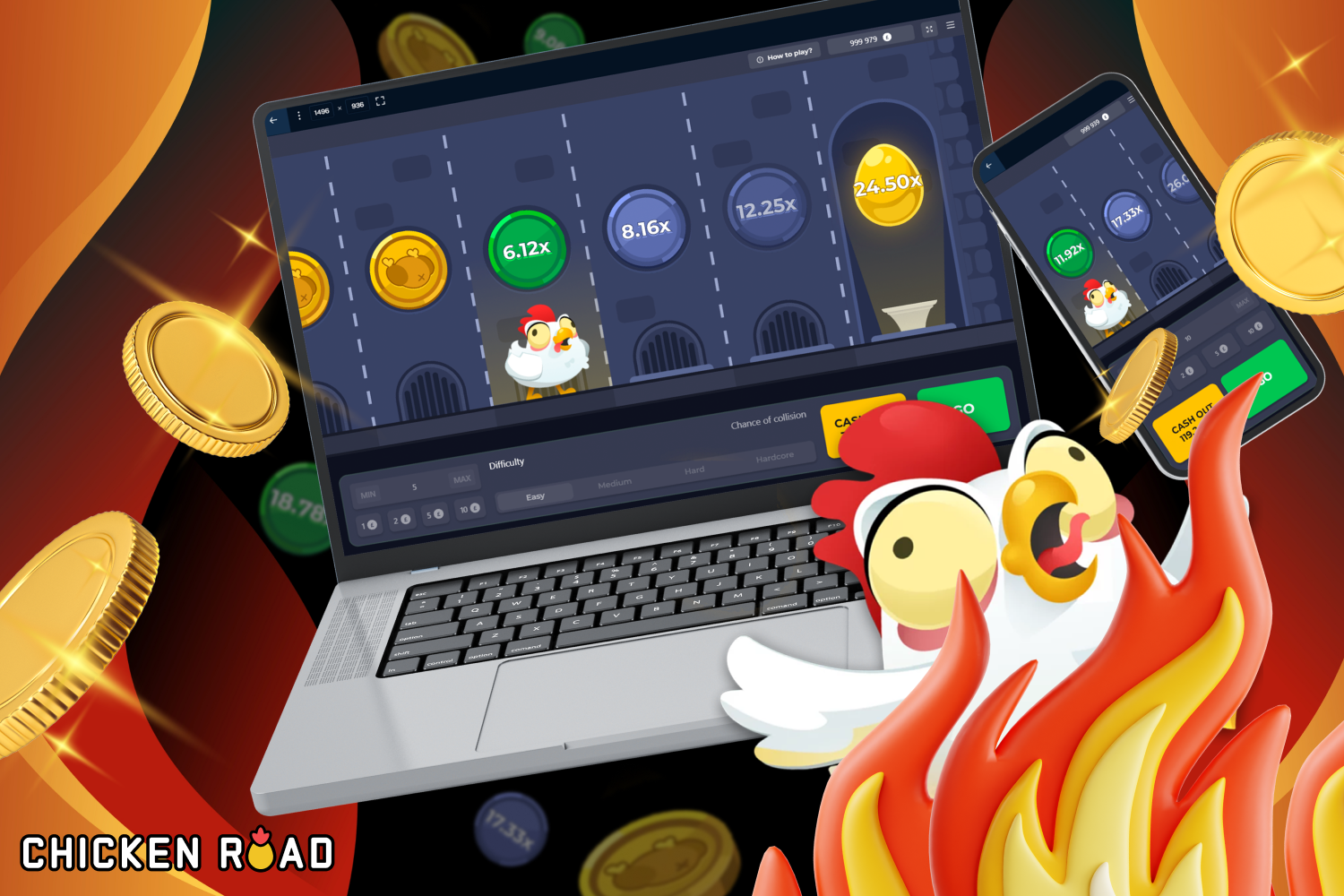
Chicken Plus is founded on a clicker, or incremental, game framework. This genre is known for being easy to start and difficult to put down. Your chief job is to build up in-game currency. You achieve this through active tapping and by establishing systems that earn money for you while you’re away. The interface doesn’t clutter your screen. It focuses on what matters: your current cash, buttons for upgrades, and bars that display your progress. This approach cuts out the noise. Players spot their objectives right away. Every action provides a quick burst of satisfaction. Collect a coin, and it chimes. Buy a new coop, and it appears on the screen. This taps into basic psychology, motivating you to encourage just one more tap. The real hook is the transition from manual work to watching your automated farm generate earnings on its own.
Tactical Depth Beneath Simplicity
Don’t let the simple tapping mislead you. A real layer of strategy lies beneath. You are always facing choices about your resources. Do you acquire that cheap upgrade now for a quick boost, or wait for a major automation unit? Deciding which building to expand first alters how fast you move ahead. These micro-decisions add a puzzle element that goes beyond mindless clicking. The game is smart about unveiling these choices slowly. It never dumps all its systems on you at once. You also get to pick your play style. If you prefer to check in for two minutes a day, the idle earnings work for you. If you’d rather settle in an hour of active optimization, the game allows that too.
Monetization Strategy and Revenue Model
Chicken Plus can be downloaded for free. It generates revenue through in-app purchases and optional video ads. This mixed strategy provides players a menu of options. You can progress by putting in the time, by watching ads for bonuses, or by making purchases. The economy is carefully balanced. Players who never make a purchase still get a regular sense of advancement. Meanwhile, purchases are located at moments where progress might slow down. They are sold as conveniences, not as mandatory keys to victory. This thoughtful placement avoids the worst “pay-to-win” feelings that alienate players. The result is a game that makes profit without spoiling the fun for everyone else.
Value Proposition of In-App Purchases
A look at the purchase shop reveals its priorities: saving time and looking good. Bundles often offer a multiplier for your premium currency, a temporary earnings boost, or a special skin for your farm. What makes these offers palatable is what they don’t do. They don’t let you defeat another player in a head-to-head fight. They just make the journey speedier. Prices serve different budgets, from a small coin pack for a couple of pounds to a large bundle for the most committed farmers. You will also see limited-time offers. These offer a nudge to buy now before the deal disappears, a common but effective move in games like this.
Design and Visuals and Sound Design
Chicken Plus employs a vibrant, cartoonish look. The lines are clear, the icons are simple to read. This art style isn’t just for show. It fulfills a task. Interactive elements shine with color and gentle movement, pulling your eye to the proper spot. The chicken farm theme ties everything together with a whimsical, consistent charm. Sound is just as important. Every tap, purchase, and collection includes its own upbeat sound effect. This fusion of sight and sound turns a fundamental action into a small reward. It makes the mere act of playing enjoyable on a sensory level.
Character Advancement and Extended Engagement Loops
Retaining users is the main aim for any live game. Chicken Plus uses several combined features to accomplish this. The key sustained mechanism is a prestige or “rebirth” mechanic. You reset your advancement in exchange for a enduring boost that carries over to your next playthrough. This loop offers an incentive to begin anew, but with greater strength each time. On top of that, you have daily login bonuses, a list of rotating quests, and special events that span roughly seven days. Together, these layers ensure there’s always a task waiting when you access the platform. The pacing is deliberate. The first hour floods you with rewards to get you hooked. Later on, the game becomes more about fine-tuning those prestige runs for maximum effect.
Social and Leaderboard Aspects
Although you game alone the majority of the time, Chicken Plus incorporates light social ingredients. Leaderboards let you compare your prestige stats or event scores with other players. This introduces a sprinkle of amicable rivalry. Occasionally the game hosts community goals where all players work together to achieve a global reward. These features are relaxed. You rarely have to chat with anyone if you don’t want to. But they address a common problem with incremental games: the feeling that you’re playing in a vacuum. Seeing other players’ achievements helps your own progress seem more real. It can also drive you to strive for the next big milestone.
The Function of Community and External Platforms
A great deal of the social life for games like this takes place outside the app itself. Dedicated fans assemble on Discord servers and Reddit forums. They discuss optimal upgrade paths, celebrate big numbers, and explore the game’s code. The Chicken Plus developers look to grasp this. They built a game with enough hidden depth to support these discussions. These external communities turn into a powerful retention tool. Engaging with the game transforms into a shared hobby. The friendships and collective knowledge give people another reason to log in every day and remain updated with updates.
System Performance and System Tuning
A game that requires constant engagement and often operates in the background needs to be technically solid. Chicken Plus runs well on mobile. It won’t drain your battery aggressively, and it handles memory efficiently. Load screens are brief. The frame rate keeps smooth even when your screen is loaded with animated chickens and coins. Cloud saves work reliably, transferring your progress safely between devices. This level of polish is essential for player trust. If the game froze and corrupted your save file, you would likely delete it and never look back. In a crowded market, reliability isn’t just nice to have. It’s a key feature.
Contrast to Industry Alternatives
How does Chicken Plus fit in the wider world of incremental games? It sets itself apart from conceptual number-go-up clickers by wrapping everything in a accessible farm theme. Compared with hyper-casual games, it offers much more depth and long-term goal. Stack it against a detailed management simulator, and Chicken Plus succeeds on pick-up-and-play simplicity. It holds a sweet spot. We could call it a “mid-core” incremental. It’s more engaging than a pure time-waster, but easier than a hardcore strategy title. This compromise is a clever play. It attracts players who desire something to focus on during a commute, but also something they can simply check for a minute while standing by for the kettle to boil.
Potential Areas for Critical Evaluation
Certainly, the game isn’t perfect. An objective review must point out the wrinkles. The core loop can feel repetitive, notably if the prestige strategy system doesn’t resonate for you. The optional advertisement rewards, while optional, can disrupt the flow of play for those avoiding purchases. Balancing the late-game is a persistent challenge for the creators. If the grind grows too demanding between major milestones, players will quit out of discontent. Furthermore, there is a real risk of fatigue. The game generates a mild pressure to check in often and optimize everything, which can eventually become like a chore. These are typical trade-offs in the game category. How well the developers handle them through updates will shape the game’s staying power.
Upcoming Plans and Continuous Support Outlook
A game like Chicken Plus thrives or withers by its updates. It can’t be a final release. It has to be a ecosystem that grows. The developers need a regular supply of new content. Imagine seasonal events, higher upgrade tiers, fresh prestige mechanics, and maybe new gameplay sections altogether. Engaging with the community is essential for this. When players highlight balance problems or request a new feature, responding to that feedback fosters loyalty. Being open about the roadmap keeps players excited for what’s next. Special collaborations or themed events can re-attract players who quit months ago. The future of the game hinges on a simple idea: maintain the familiar comfort of the farm, but always toss in something new to discover.